The starting point is rice
Sushi centers on vinegared rice, with toppings or fillings that may be raw or cooked. Seafood, vegetables, and egg can all have a place. Sushi does not mean “raw fish.”
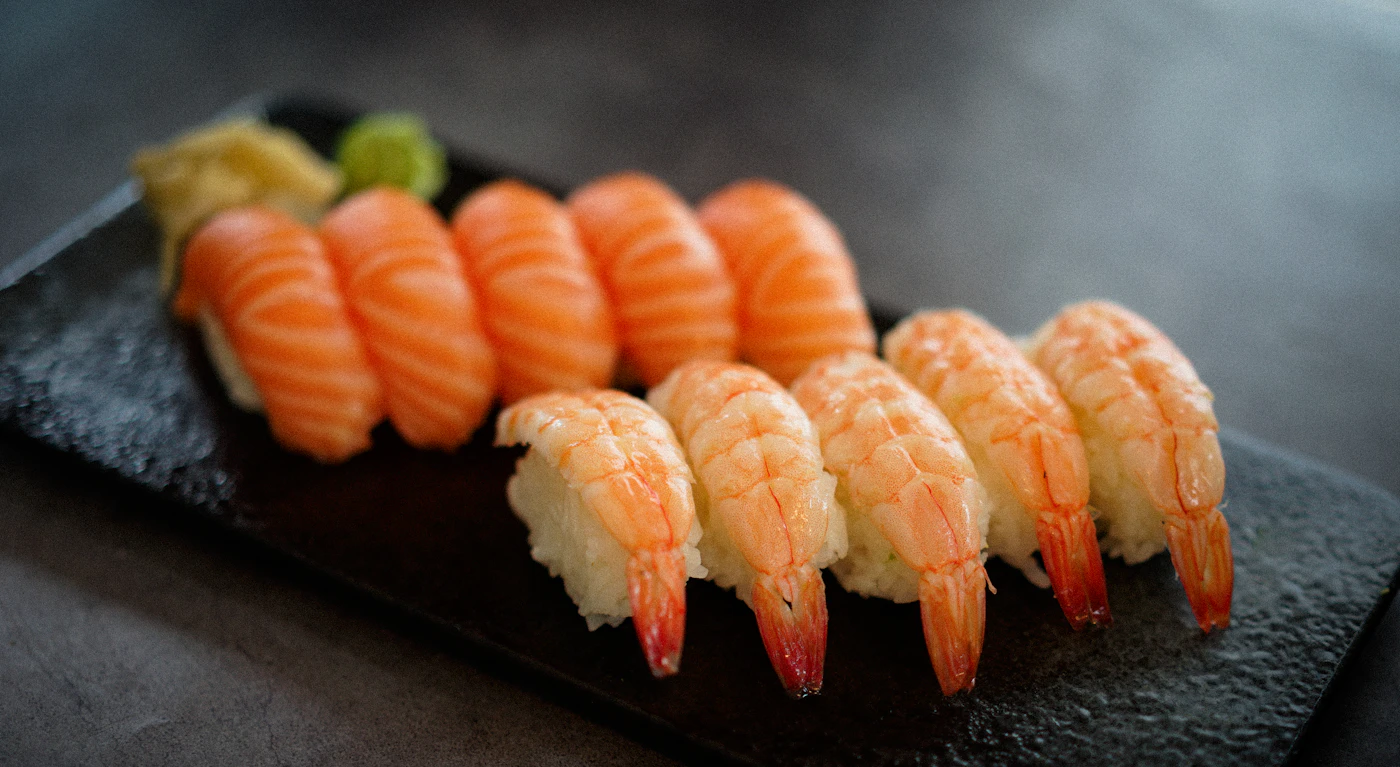
Four useful distinctions
- Nigiri
- A small hand-shaped mound of rice with a topping.
- Maki
- Rolled sushi, commonly sliced into pieces.
- Temaki
- A hand roll, often a cone of nori with rice and fillings.
- Sashimi
- Sliced raw seafood served without sushi rice; a separate preparation.
Use these names to ask more specific questions. The format does not tell you the portion size, every ingredient, or exactly how the kitchen prepares the dish.
Read past the roll’s name
A house roll’s name can be memorable without being descriptive. Ask what is inside, what is on top, and which sauces are added. If the menu has an unfamiliar word, ask staff to explain it before ordering.
- Which ingredients are raw, cooked, or seared?
- How many pieces are included, and is the order intended for one person or for sharing?
- Are the toppings and sauces part of the standard preparation?
- Can a requested change be made, and would it affect the price?
For an assortment, ask what the selection includes that day. Do not assume that a photograph or an earlier menu represents the current order.
Make your preferences specific
Instead of asking only for “something light” or “nothing too adventurous,” explain the ingredients, textures, or preparations you enjoy. You might ask staff to point out a cooked selection, describe a vegetable filling, or explain a sauce.
If you have an allergy or dietary restriction, identify it directly and ask about the complete preparation. A simple-looking piece or a vegetable-filled roll does not establish how it was handled.
This guide does not assess food safety or guarantee that a dish suits a dietary need. The restaurant must explain its own preparation practices and limits.